Check out what our clients have to say about us!!!



Permitting Information
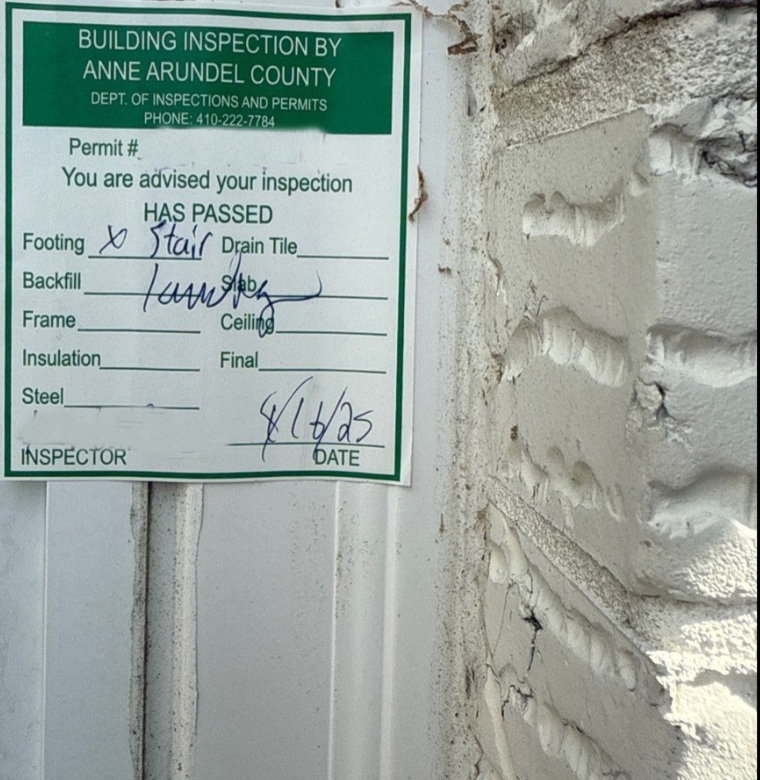
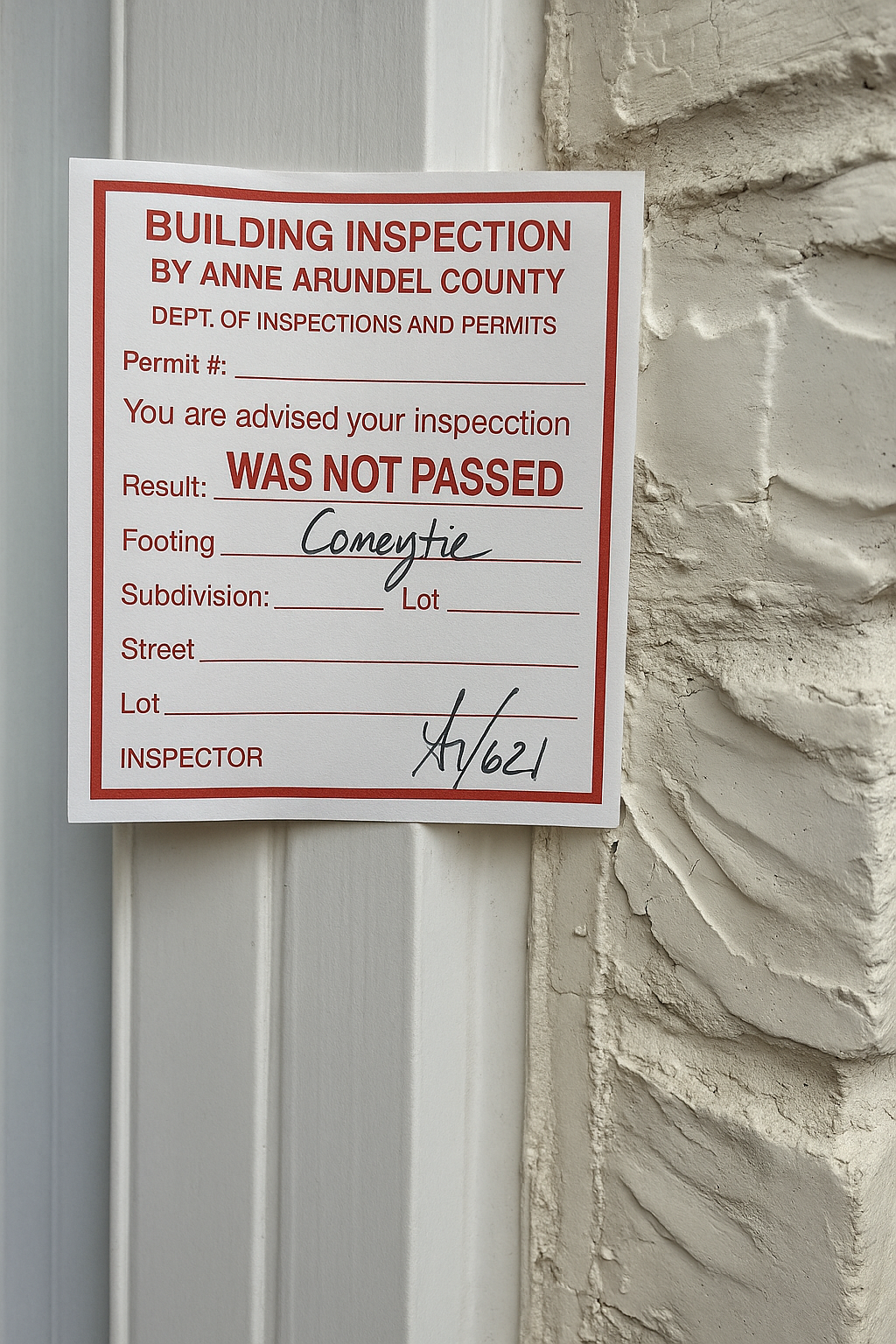
Overview
Building permit requirements vary widely across states, counties, and municipalities. Each jurisdiction has its own regulations, submittal standards, and documentation needs. The specific scope of your project—whether residential, commercial, new construction, or renovation—determines what must be shown on the construction drawings for permit approval.
At Kapital Drafting L.C., we specialize in producing clear, code-compliant plans that meet the permitting requirements of your local jurisdiction. Our team has extensive experience working with county and municipal permitting offices, ensuring your drawings are ready for review and aligned with building and life-safety codes. We help streamline the permit application process by anticipating common reviewer questions and addressing them before submittal


Who Can Apply For A Building Permit?
Permits are typically required for projects involving new construction, structural changes, electrical or plumbing work, HVAC upgrades, or additions to your home—such as finishing a basement, building a deck, or adding a new room. There are several types of permits that may apply depending on the nature of your project.
The most common is the building permit, and that’s where Kapital Drafting L.C. comes in. We produce complete and accurate plan sets tailored to meet local building department requirements for permit submission and approval.
In some cases, particularly when your project impacts grading, stormwater, or is located near waterfront or environmentally sensitive areas, a grading permit may also be required. These are typically prepared and submitted by a licensed civil engineer. While Kapital Drafting L.C. does not generate civil engineering plans, we’re happy to recommend local engineering firms familiar with your jurisdiction’s requirements.
Getting a permit may seem like an extra step, but it plays a crucial role in protecting your investment, ensuring your project meets safety and code standards, and avoiding future legal or resale issues. We’re here to make the process as smooth and worry-free as possible by delivering plans designed for approval.
Contractors – In most cases, we recommend that your contractor apply for the building permit using their company name and active license number issued by your state’s Home Improvement Commission or Building Department. This ensures the permit is properly tied to the licensed professional performing the work and helps streamline inspections and approvals.
Electrical and Plumbing Contractors/Sub-Contractors – Licensed electricians and plumbers typically do not apply for the main building permit themselves. Instead, once the building permit has been issued to your general contractor, these subcontractors will “attach” to that permit using their state-issued license numbers. This process lets the county know that the licensed trades performing the electrical or plumbing work on your project are properly qualified and authorized to do so. It's an important step in making sure your project passes inspections and complies with all state and local regulations.
Homeowners –In many jurisdictions, homeowners are allowed to apply for a building permit in their own name—especially for renovation or remodeling projects—provided they meet certain requirements. One common condition is that the homeowner must live at the property where the work will be performed.While this can be a good option for experienced DIYers, Kapital Drafting L.C. advises homeowners to proceed with caution if they don’t have prior construction or permitting experience. As the permit holder, the homeowner becomes fully responsible for coordinating inspections, ensuring code compliance, and may also assume certain liabilities if something goes wrong during or after construction.
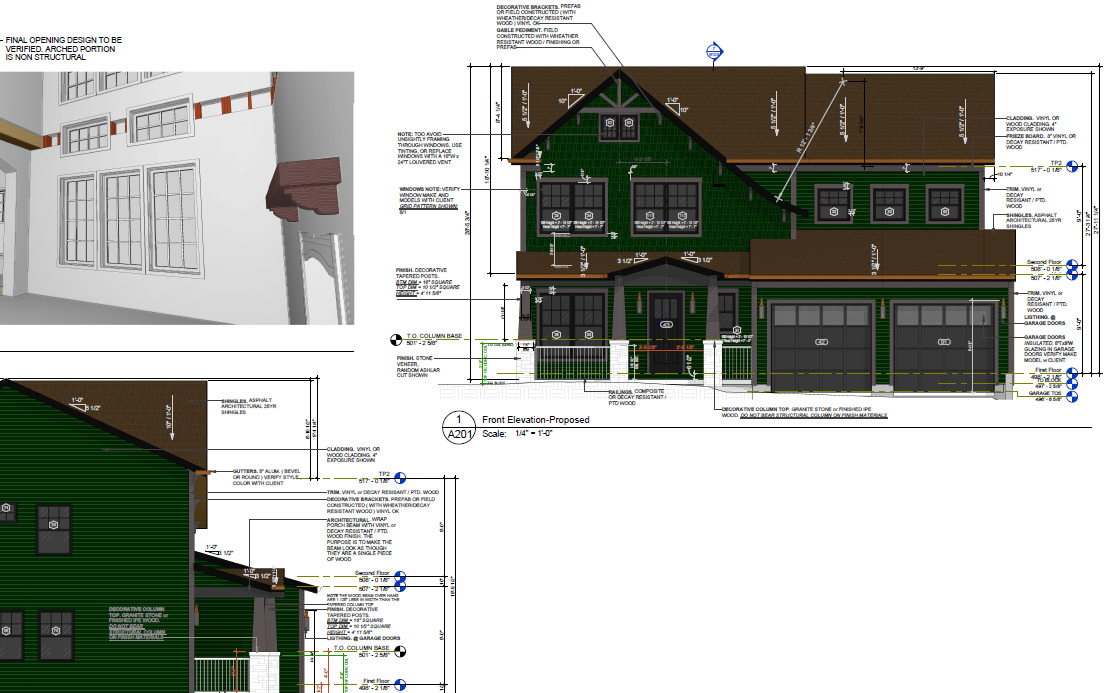
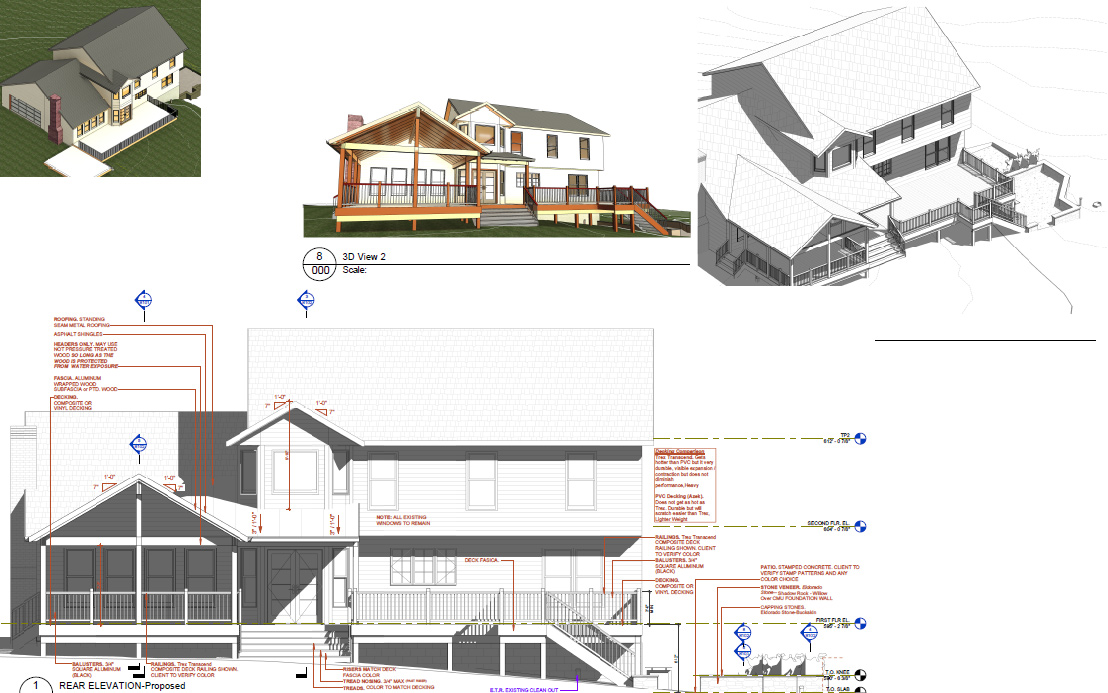
Permittable Plans - Designed for Approval
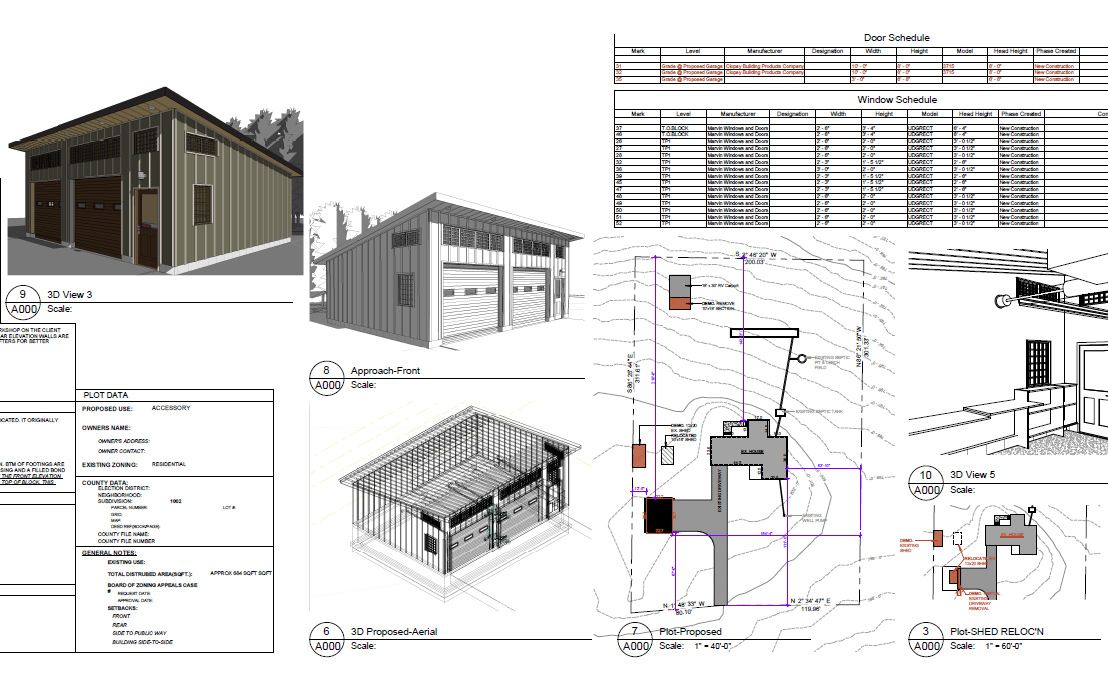
At Kapital Drafting L.C., our clients rely on us to deliver high-quality, permit-ready plan sets that align with the specific requirements of their local jurisdictions. Whether you're planning a home addition, renovation, or new construction, we prepare drawings that are tailored to meet the expectations of building departments and reviewers.
Permit requirements vary depending on the scope of work. A simple interior remodel with no structural changes may only require floor plans. In contrast, a project that expands the footprint of your home will likely require a more complete set of drawings—such as floor plans, elevations, sections, roof plans, and a basic plot plan.
Once we’ve reviewed the details of your project, we’ll determine exactly what your local permitting office requires and deliver a complete, code-compliant plan set that’s ready for submission. Request a quote for your plan set today!!
MD Permitting Sites
To further understand the permitting process click your respective county below
Plot Plans
Plot plans are scaled drawings showing the major features of the property in a plan view format. These are not considered as grading plans. For a quick reference to understanding plot plans, click the link below.
Building Permit Applications
We understand that the application process for obtaining a building permit can be confusing. We can help clients to move forward in the right direction and provide the proper documentation required from county plan reviewers.


