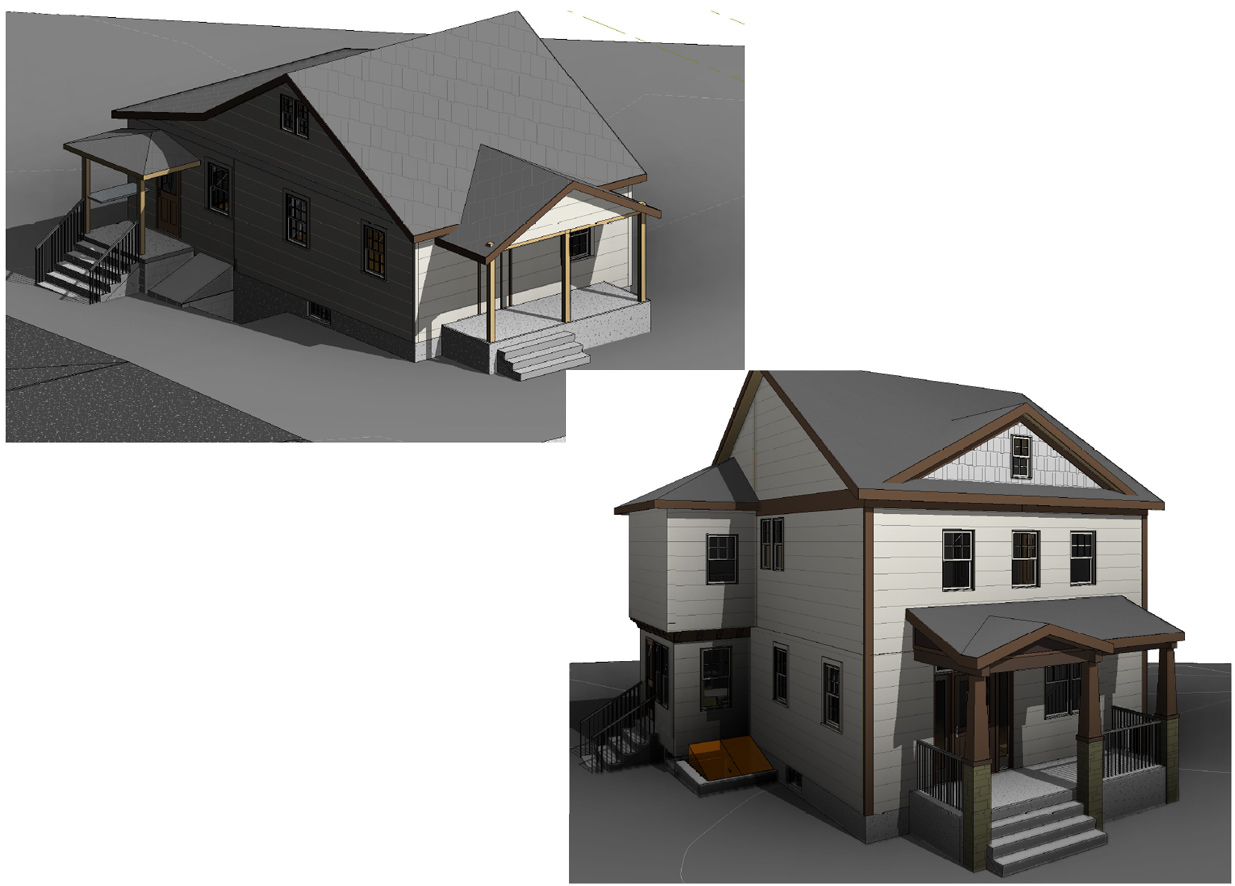
Design and Plan
Whether you’re envisioning a covered summer-time deck, a full-scale addition, or a brand-new custom home, successful projects start with clear, code-compliant drawings and a disciplined design process. Kapital Drafting L.C. pairs architectural creativity with practical permitting expertise, delivering plan sets that speak fluently to both homeowners and county reviewers.
- Comprehensive Scope From early concept iteration in Pre-Design all the way to permit-ready Construction Documents, we deliver fully coordinated architectural and structural plan sets—eliminating the need to juggle multiple consultants.
- Permit-Ready Accuracy Our drawings are produced in BIM Software, formatted to comply with the current International Residential Code (IRC)—minimizing “red-line” comments and resubmittals.
- Seamless Collaboration. We coordinate directly with structural engineers, surveyors, and, when required, recommend trusted civil partners for grading and stormwater plans.
- Homeowner-Friendly Guidance. First remodel or addition? We translate code and technical jargon into actionable next steps, giving you confidence before a single nail is driven
Design Process Outline
In Our experience, using a Traditional Design Process helps keep projects organized with all parties involved including the Client, Company and any outside consultants. With a traditional design process we are able to take the entire timeline for planning and designing and break it into four major components or phases. Each phase addresses a specific part of each project. This progression works for all types of projects including New Home Design, Home Addtion Design, Detached Structures and more. Each phase is tailored to the particular project. Each major phase is also subdivided to make things more efficient. Not all projects require full phase integration. For projects with smaller scopes we can combine, exclude or modify phases as the project requires. This helps keep the design and planning practical in regards to the project as a whole.
- 1. Pre-Design Phase: After an initial phone consultation we begin the pre-design phase with a thorough site visit to document all existing conditions. This data collection sets the foundation for the entire project, allowing us to identify constraints and opportunities.
- 2. Schematic Design Phase: In this phase, we generate innovative ideas and create initial design concepts. We develop floor plans, elevations, and roof designs that align with your vision. Client approval at this stage ensures we are on the right track before moving forward.
- 3. Design Development Phase: Here, we refine the approved design concepts into detailed plans. We finalize structural elements, address any design challenges, and prepare the project for the next phase. This phase involves meticulous detailing to ensure all aspects are considered.
- 4. Construction Documents Phase: This final phase consolidates all the details into a comprehensive set of construction documents. These documents are essential for permitting, construction, and pricing, providing clear guidance for contractors to execute the project.
What’s in a Kapital Plan Set?
Every project is different, but our standard residential plan sets include the sheets and details most jurisdictions require for a smooth IRC permit review—plus a few extras that make life easier for your contractor. The amount and number of drawing sheets for any particular project will vary depending on how much information is required to accurately explain the project to builders and reviewers. Below is an example of the types of sheets and views you could expect to find in a typical new home construction documentation set:
DRAWING INDEX EXAMPLE
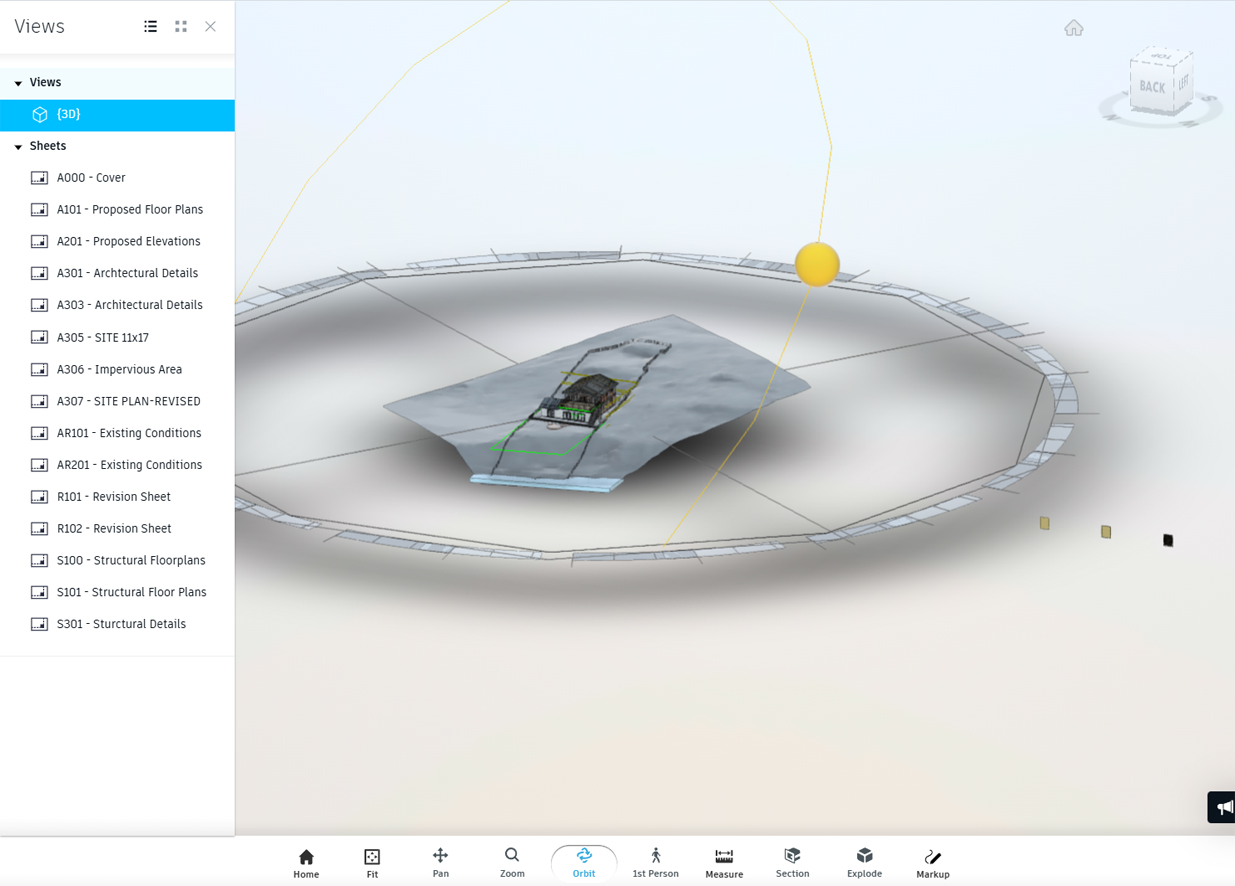
- A-000 – Cover / Code Sheet: Project data, IRC design criteria, drawing index.
- A-100 – Proposed Floor Plans: Room labels, egress paths, door/window tags.
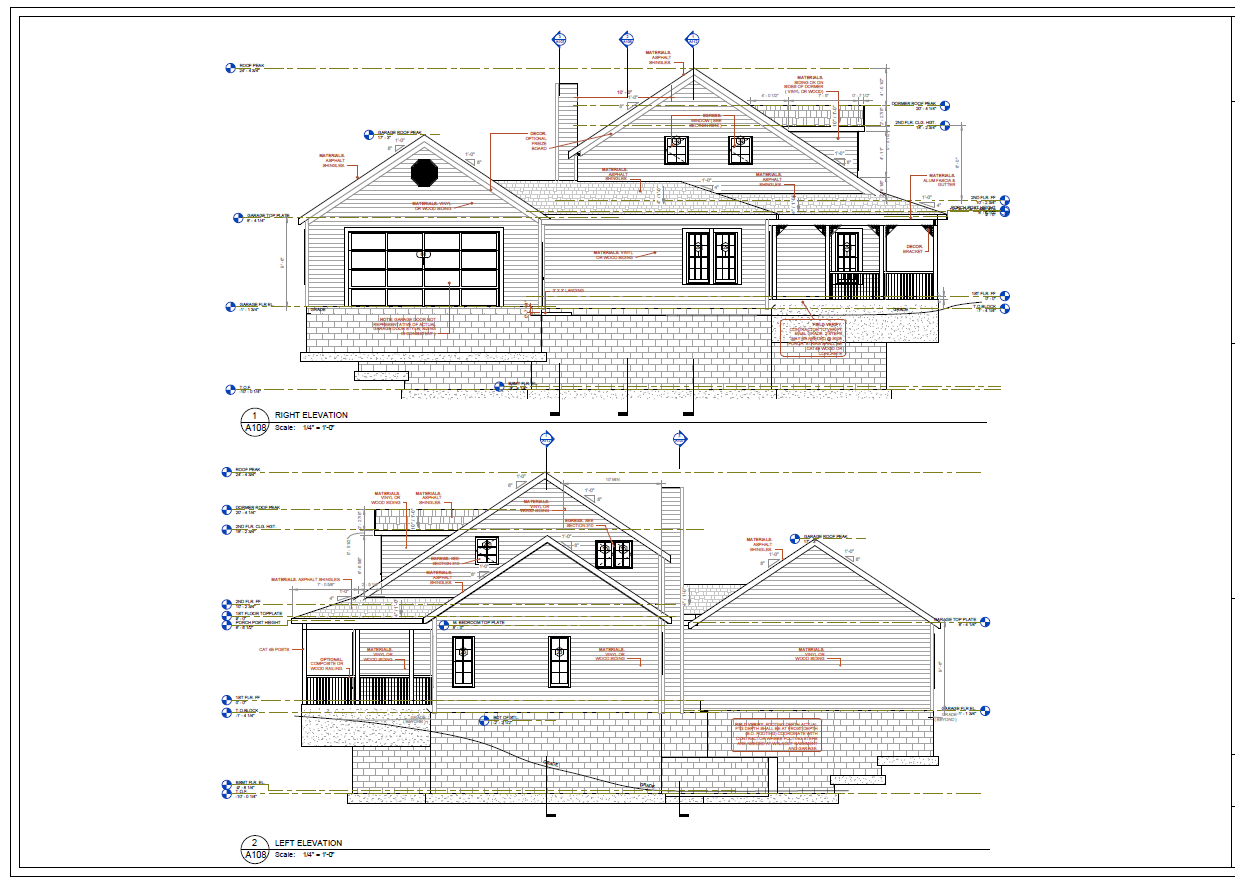
- A-200 – Exterior Elevations: Materials, overall height, grade plane reference.
- A-300 – Building / Wall Sections: Story heights, insulation, fire blocking.
- A-400 – Roof Plan: Slopes, overhangs, ventilation notes.
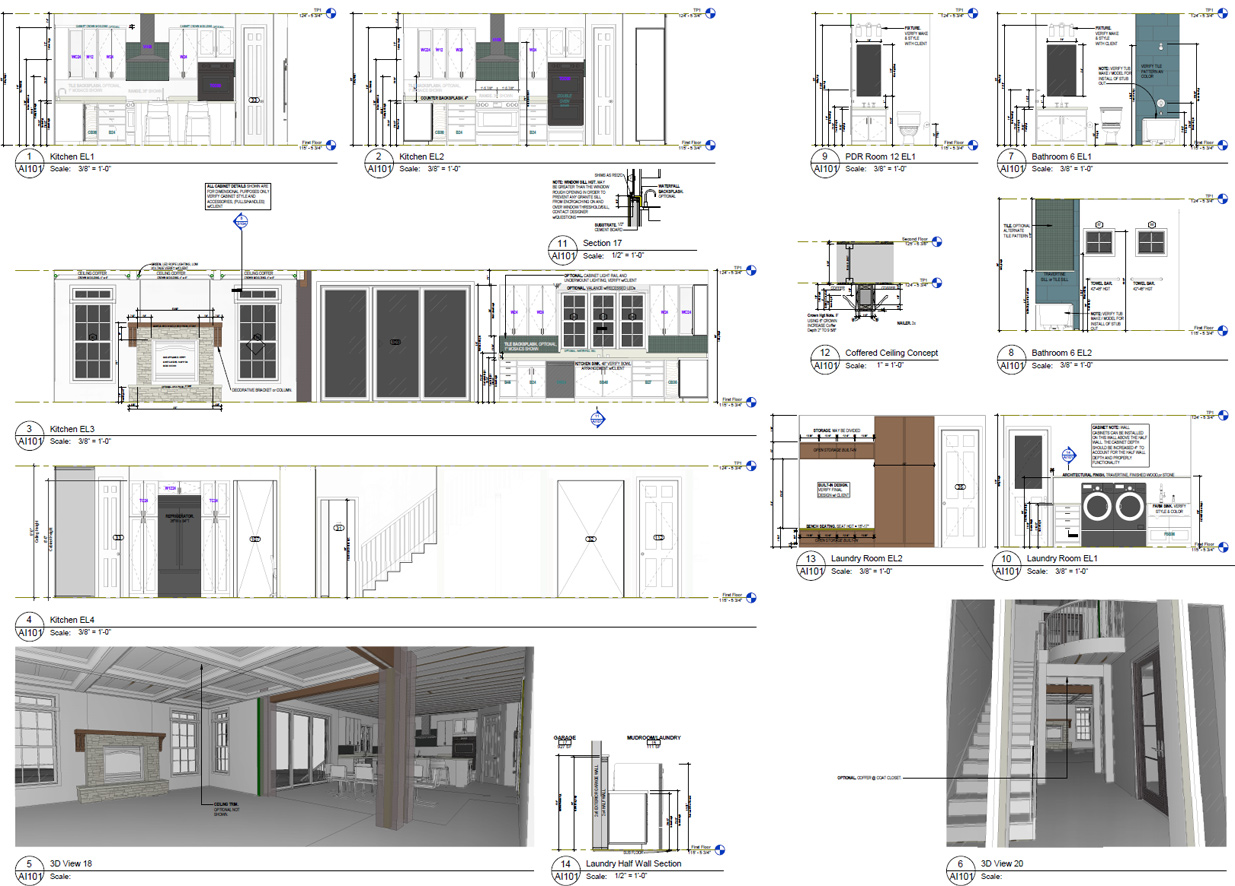
- A-500 – Schedules & Misc. Details: Window/door schedules, stair & guard details.
- AR-100 – Existing Conditions*: Demo vs. keep walls, measured dimensions.
- S-100 – Foundation Plan: Footing sizes, wall types, rebar & anchor-bolt layout.
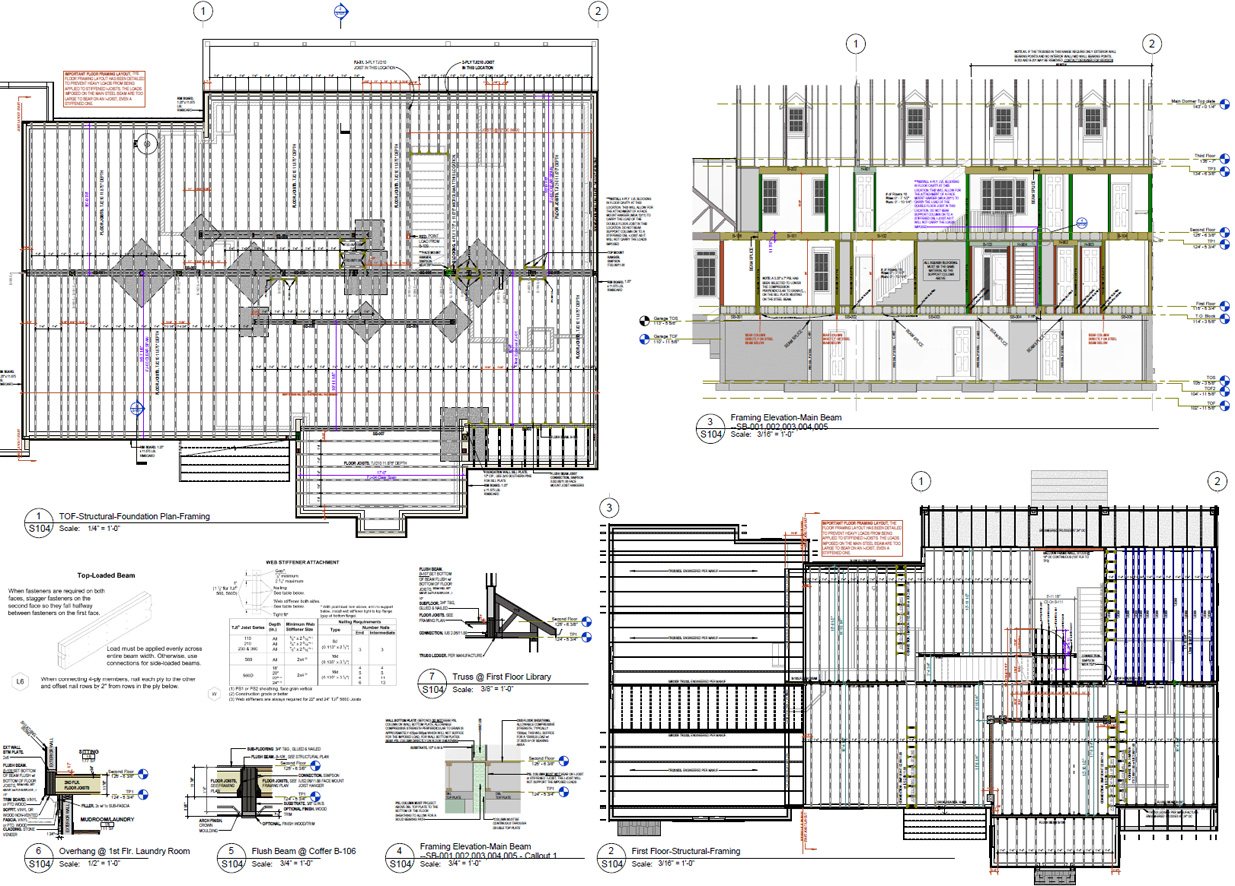
- S-200 – Floor Framing Plan(s): Joist sizes & spacing, beam/column call-outs.
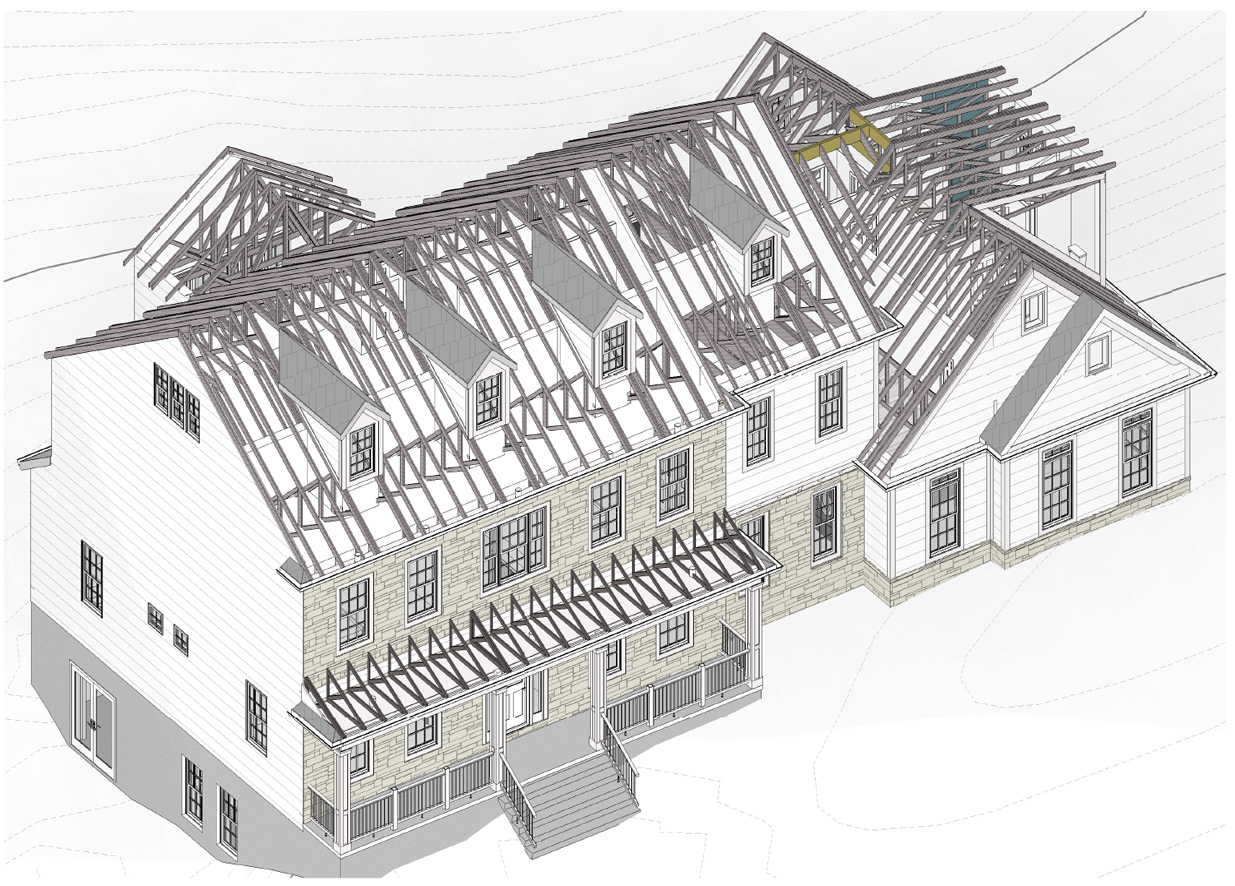
- S-300 – Roof Framing Layouts: Truss or rafter layout, uplift connectors.
- S-400 – Structural Details: Footing sections, shear-wall nailing, ledger details.
- PDC-100 – Preliminary Designer Calcs: Preliminary(unendorsed) Beam and / or columns calculations.
- C-100 – Basic Plot / Site Plan*: Property lines, setbacks, existing grades.
What's Your Timeline?
One of the first questions we hear is “How long will it take to get a set of plans?” The honest answer is: it depends on the scope of work and how quickly design decisions are made. Drafting high-quality, permit-ready drawings is a collaborative process—each round of revisions requires your feedback, and homeowners naturally need time to study layouts they don’t look at every day.
- Small Interior Remodel (no structural changes): 3 – 4 weeks
- Decks / Simple Detached Structures: 4 – 6 weeks
- Additions & Major Renovations: 8 – 12 weeks
- New Custom Homes: 6 – 8 months (occasionally 12 + months with multiple design iterations)
*Time frames cover Pre-Design through permit-ready Construction Documents and assume timely client feedback. These are ideal estimates only. In a lot of cases your project will surpass these estimates.
Why The Range?
- Client Review Cycles: Each phase (Pre-Design → Schematic → Design Development → CDs) pauses for your approval. Quick feedback keeps the schedule tight; extended deliberation adds weeks.
- Site / Plan Complexity: Projects with challenging topography, intricate footprints, or extensive detailing often require additional drafting time and coordination, extending certain phases.
- Consultant Coordination: Structural engineering or civil grading plans—when needed—introduce their own timelines.
- Scope Changes: New design ideas mid-stream are welcomed, but they do reset the clock.
How We Keep Things Moving
- Clear Milestones- Utilizing deliverables allows for confirmation to move to the next phase.
- Cloud-Based Reviews- We share PDFs and 3D web views so you can mark up comments anytime—no printer or special software required.
- Email Based Correspondance- Centralizing communication in email—rather than scattered calls or texts—creates a clear written record, prevents misunderstandings, and keeps the project moving in a linear fashion.
Great design is more than lines on paper—it’s the roadmap that guides construction, protects your budget, and secures the permits that keep your project on schedule. Partner with us to expand your living space with expertly crafted designs tailored to your needs. Our structured approach and commitment to excellence ensure that your new home or home addition project will be handled with the utmost care and precision.